1.What can i do that i couldn't do before ?
I can do very well the rithims.
2.What do i like most ?
The musical videos.
3.What do i do well ?
The rithims.
4.What am i confused about ?
About the musical textures.
5.What do i need help with ?
I need help with the musical lenguaje.
6.What do i do in english and/or music outside the class ?
I don't do nothing.
7.What do I need to improve ?
The musical lenguaje.
8.What did i learn about culture ?
A lot of instruments.
Mostrando entradas con la etiqueta music. Mostrar todas las entradas
Mostrando entradas con la etiqueta music. Mostrar todas las entradas
domingo, 28 de abril de 2019

lunes, 22 de abril de 2019
VOCABULRY MUSIC
Genre: género.
Folk music: música folclórica.
World music: músicas del mundo.
Popular music: música popular.
Vinyl record: disco de vinilo.
Sacred music: música sacra.
Dance music: música de danza.
Soundtrack: banda sonora.
Choreography: coreografía.
Ballet: ballet.
Stage: escenario.
Improvisation: improvisación.
Flamenco: flamenco.
Synthesizer: sintetizador.
Middle Ages: Edad Media.
Renaissance: Renacimiento.
Baroque: Barroco.
Classicism: Clasicismo.
Romanticism: Romanticismo.
Impressionism:Impresionismo.
Twentieth Century Music: Música del Siglo XX.
Triplet: tresillo.
Anacrusis note: nota anacrúsica.
Fret: traste.
Gregorian chant: canto gregoriano.
Opera: ópera.
Program music: música programática.
Gothic Rock: Rock Gótico.
New Wave: "nueva ola".
Symphony: sinfonía.
Mass: misa.
Consonance:consonancia.
Dissonance: disonancia.
Theme: tema musical (principal).
Stress: acento.
Reed: lengüeta.
Polyphony: polifonía.
Folk music: música folclórica.
World music: músicas del mundo.
Popular music: música popular.
Vinyl record: disco de vinilo.
Sacred music: música sacra.
Dance music: música de danza.
Soundtrack: banda sonora.
Choreography: coreografía.
Ballet: ballet.
Stage: escenario.
Improvisation: improvisación.
Flamenco: flamenco.
Synthesizer: sintetizador.
Middle Ages: Edad Media.
Renaissance: Renacimiento.
Baroque: Barroco.
Classicism: Clasicismo.
Romanticism: Romanticismo.
Impressionism:Impresionismo.
Twentieth Century Music: Música del Siglo XX.
Triplet: tresillo.
Anacrusis note: nota anacrúsica.
Fret: traste.
Gregorian chant: canto gregoriano.
Opera: ópera.
Program music: música programática.
Gothic Rock: Rock Gótico.
New Wave: "nueva ola".
Symphony: sinfonía.
Mass: misa.
Consonance:consonancia.
Dissonance: disonancia.
Theme: tema musical (principal).
Stress: acento.
Reed: lengüeta.
Polyphony: polifonía.
martes, 12 de marzo de 2019
1. What period does the middel ages cover ?
It's from the middel of the Roman empire to to the discivery of America.
2. What general charactheristics does ir have, according to the teachers comments.
There are a lots of stiles, but we don't know all of them.
3. What is the main difference between "troubadours" and "minstrels".
The troubadours were poets and musicians, they composed his songs and they interpreted them.
4. Pay attention to these two monuments ( a romanic church and a gothic cathedral) what do their different heights have in common with the music evolution of those centuries ?
The first ( romanic ) has very small arcs.
And the second ( gothic ) has large and hight arcs.


5. What do you feel looking at these pictues ( taken from the 19th century but directly linked to the Middel Ages ) in your own opinion, what kind of music could accompany these images ?
This pictures are so beautifull, they represented very good.

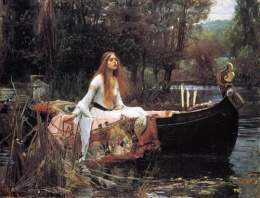
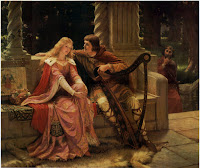
6. Why does heavy metal music love this asthethic ?
Becouse is very dark and loud.
:format(jpeg):mode_rgb():quality(90)/discogs-images/R-1992917-1257286845.jpeg.jpg)


It's from the middel of the Roman empire to to the discivery of America.
2. What general charactheristics does ir have, according to the teachers comments.
There are a lots of stiles, but we don't know all of them.
3. What is the main difference between "troubadours" and "minstrels".
The troubadours were poets and musicians, they composed his songs and they interpreted them.
4. Pay attention to these two monuments ( a romanic church and a gothic cathedral) what do their different heights have in common with the music evolution of those centuries ?
The first ( romanic ) has very small arcs.
And the second ( gothic ) has large and hight arcs.
5. What do you feel looking at these pictues ( taken from the 19th century but directly linked to the Middel Ages ) in your own opinion, what kind of music could accompany these images ?
This pictures are so beautifull, they represented very good.
6. Why does heavy metal music love this asthethic ?
Becouse is very dark and loud.
VOCABULARY MUSIC II:
Musical meaning: significado musical. Dot: puntillo.
Rhythm: ritmo. Ligature: ligadura.
Dot: puntillo. Snare drum: caja.
Drums: batería. Clap: palmada.
Bar: compás (el espacio del pentagrama). Orchestra: orquesta.
Time signature: compás (la fracción numérica). Conductor: director.
Tempo: "tempo". Ensemble: formación musical.
Chordophone: cordófono. Aerophone: aerófono.
String: cuerda. Bow: arco.
Rub: frotar. Pluck: pulsa, puntear.
Guitar pick: púa. Viola: viola.
Violoncello: violonchelo. Double bass: contrabajo.
Tuning peg: clavija. Harp: arpa.
Brass: viento metal. Woodwind: viento madera.
Mouthpiece: boquilla. Saxophone: saxofón.
Oboe: oboe. Clarinet: clarinete.
Trumpet: trompeta. French horn: trompa.
Percussion: percusión. Amplifier: amplificador.
Soprano: soprano. Mezzo-soprano: mezzo-soprano.
Tenor: tenor. Baritone: barítono.
Grand piano: piano "de cola". Kettle drum: timbal.
Suscribirse a:
Entradas (Atom)